
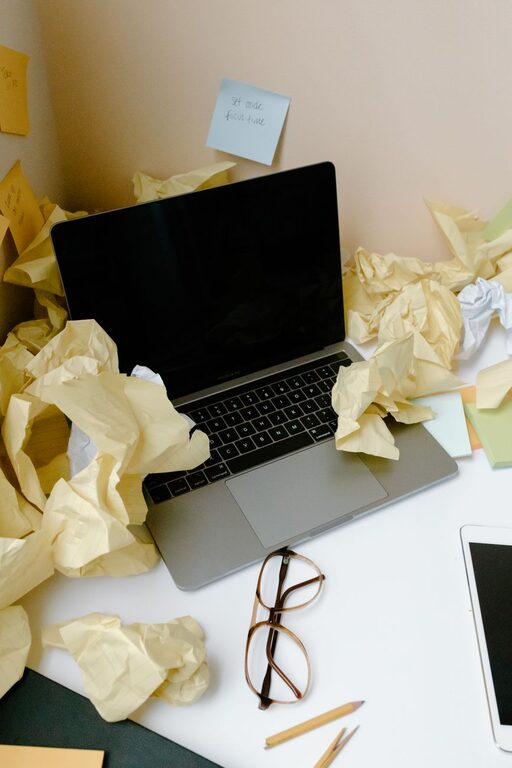
Paper clutter can quickly accumulate in any home, creating stress and making it harder to find important documents when you need them. From mail and bills to receipts and school papers, managing household paper clutter is a common challenge. Fortunately, reducing paper clutter doesn’t have to be overwhelming. By adopting a few simple habits and organizing strategies, you can keep your papers under control and enjoy a cleaner, more peaceful living space.
Why Reduce Paper Clutter?
Before diving into tips, it helps to understand why reducing paper clutter is beneficial. Excess paper piles can:
– Take up valuable space on counters, desks, and tables
– Make it difficult to find important information quickly
– Contribute to feelings of stress and overwhelm
– Increase the risk of losing or misplacing important documents
By keeping paper clutter in check, you create a more organized, efficient, and calmer home environment.
1. Sort and Purge Regularly
The first step in tackling paper clutter is sorting through what you have and deciding what to keep or toss.
Create Three Piles
– Keep: Important documents like tax papers, medical records, warranties, and current bills.
– Recycle/Shred: Junk mail, expired coupons, old receipts, and papers you no longer need.
– Action Needed: Bills to be paid, forms to complete, or documents that require follow-up.
Schedule a weekly or monthly sorting session to keep papers from piling up.
2. Go Digital Whenever Possible
Reducing physical paper starts with switching to digital alternatives.
– Opt for electronic bills and statements: Most companies offer paperless billing options.
– Scan important receipts and documents: Apps and scanners make it easy to save digital copies that are searchable and organized.
– Use digital note-taking tools: Instead of sticky notes or paper reminders, try apps like Evernote or Google Keep.
– Store files in the cloud: Google Drive, Dropbox, and similar services keep your documents safe and accessible.
Going digital not only reduces paper but also helps you organize documents in a way that’s easy to search and share.
3. Designate a Paper Processing Station
Having a dedicated area where mail and papers are sorted and processed can significantly reduce clutter.
Set up a Station That Includes:
– A tray or basket for incoming mail
– Folders or files for billing, important documents, and items needing action
– A shredder or recycling bin nearby
– A calendar or planner for important dates and deadlines
Make it a habit to process incoming papers daily or at least every couple of days to prevent buildup.
4. Use Filing Systems that Work for You
A simple and effective filing system helps keep important papers organized and easy to find.
Tips for Filing:
– Use clearly labeled folders or binders.
– Sort by category such as bills, insurance, medical, warranties, and personal.
– Keep frequently used files handy and store older papers in a separate, less accessible location.
– Review and purge your files annually to keep them manageable.
If you prefer minimal filing, consider a “tickler file” system which uses dated folders to remind you of documents needing attention.
5. Limit Paper Coming into the Home
One of the best ways to reduce paper clutter is to limit the amount that reaches your house in the first place.
– Unsubscribe from junk mail and catalogs: Use services like DMAchoice to reduce unsolicited mail.
– Be selective with subscriptions: Only subscribe to publications you truly read.
– Opt for digital receipts: When shopping, ask if electronic receipts are available.
– Communicate your preferences: Inform banks, schools, and service providers that you prefer electronic communications.
Reducing incoming paper can go a long way in maintaining a clutter-free home.
6. Repurpose and Store with Purpose
If you need to keep certain papers but want to reduce clutter, repurpose or store them creatively.
– Use decorative boxes or baskets to hold current mail or magazines.
– Turn some papers (like children’s artwork) into scrapbooks or photo books.
– Create a “memory box” for special documents or memorabilia.
– Store documents vertically to save space and make them easier to access.
By giving stored paper a specific place or purpose, you avoid piles forming on counters and tables.
7. Develop Daily Habits to Stay Clutter-Free
Maintaining a clutter-free home requires simple daily habits.
– Handle mail as soon as it arrives: open, sort, and put away or discard.
– File papers immediately instead of letting them pile up.
– Clear your desk or kitchen table at the end of each day.
– Review your paper processing station regularly and keep it organized.
Small daily actions prevent paper clutter from becoming a large problem.
Conclusion
Reducing household paper clutter may seem daunting, but with straightforward steps and consistent habits, it is easily manageable. Start by sorting and purging, embrace digital tools, set up a processing station, and be mindful about the paper coming into your home. Over time, these simple practices will create a more organized, peaceful space where you can easily access the papers you need without the stress of clutter.
Try incorporating these strategies today and enjoy the benefits of a tidier home.